


Montes de Toledo Biomethane Plant
| Scope of action |
Biomethane and biofertilizer production plant |
|---|---|
| PRODUCTION |
+40 GWh/year of biomethane |
| Technology |
Upgrade |
| Biomethane Destination |
Gas network injection |
| Town \ Province |
Toledo |

Biomethane Montes de Toledo
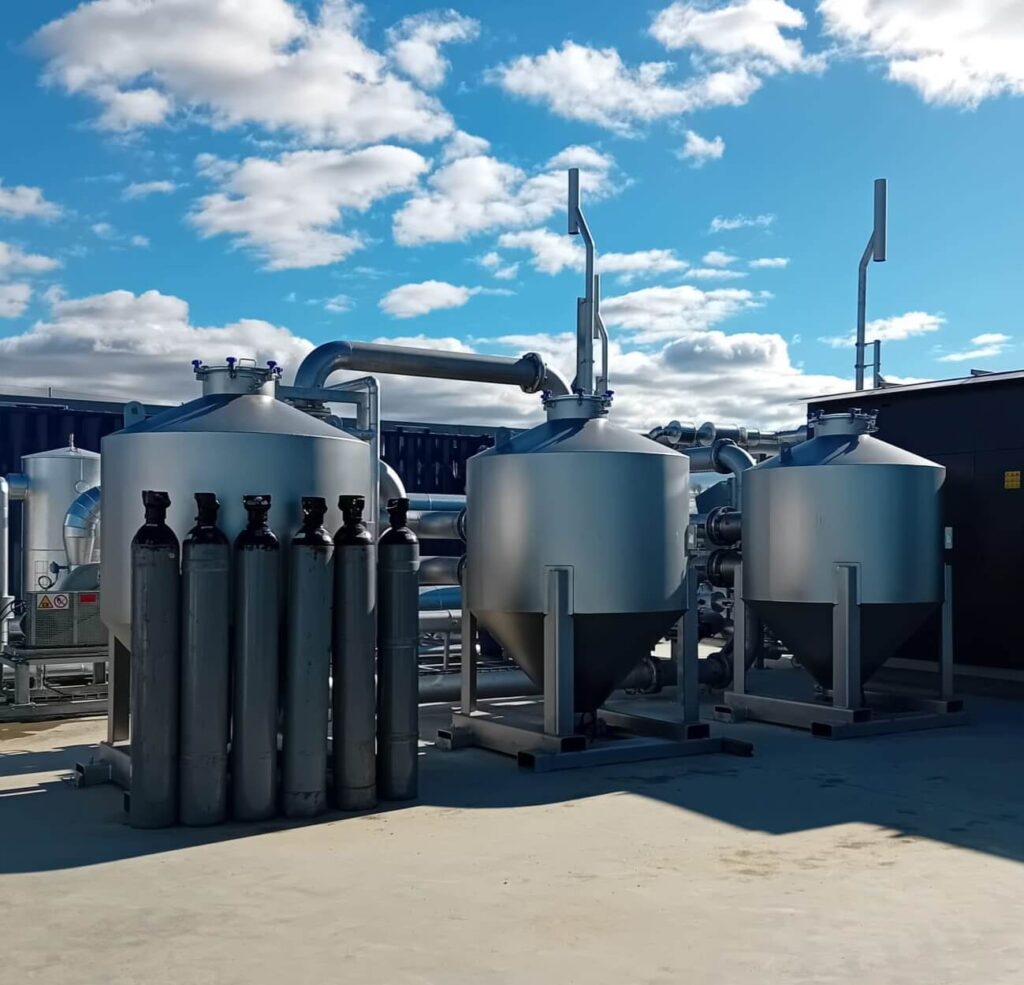
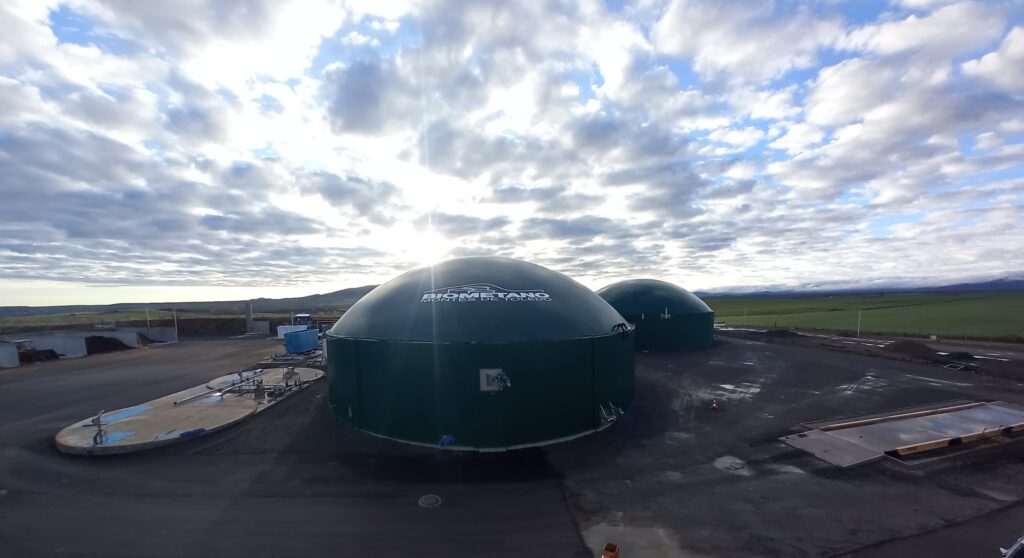
This plant injects biomethane into the gas network, a process currently carried out in very few facilities nationwide. Biometano Montes de Toledo reduces its carbon footprint by 9.232 tons of CO2 annually.
Beyond the technology and innovation behind this project, the plant is designed for the production of biofertilizers with high agronomic value. Therefore, this project has become an example of a circular economy in which local economic development plays a significant role.
More than 100.000 tons of waste from local agriculture and livestock farming are recovered and processed each year, providing a direct solution to a problem inherent to this area, which is known for its significant agricultural development. Similarly, the byproducts generated in this process are used locally to improve soil quality and, consequently, increase the area's productivity.
Origin of the Biometano Montes de Toledo plant
Biomethane Initiatives, a joint venture formed in 2022 by Suma Capital, a manager of investments in sustainable infrastructure, and SITRA, reached an agreement with Nedgia, the gas distributor of the Naturgy group, for the injection of 40 GWh/year of biomethane into its gas network.
The project has an investment of 15 million and was launched in the summer of 2024.
Plant figures
The Biometano Montes de Toledo facility is located in the municipality of Noez and has an area of 12,4 hectares , of which four are dedicated to the activity of biomethane production.
This is Biomethane Initiatives' first renewable gas plant and is expected to generate 40 GWh of biomethane per year, equivalent to the annual energy consumption of 6.500 homes . The facility will also produce 30.000 tons of solid fertilizer, preventing the emission of 7.280 tons of CO2.
Nedgia completed the construction of a dedicated 700-meter gas pipeline from the production site to the gas distribution network. The company now has a nationwide infrastructure of over 57.000 kilometers of network, essential for the development of biomethane.
Production objectives
The construction and operation of this facility is carried out with the aim of dedicating it to the energy valorization of various agricultural and livestock by-products , from cattle manure and pig slurry to sewage sludge and waste from nearby agri-food industries.
In addition, it has a by-product and waste management capacity with a volume of 100.000 tons/year for the production of biomethane and fertilizer products.
The plant processes waste annually from nearby facilities, producing locally sourced renewable gas. Specifically, it processes 50.000 tons of manure from beef cattle farms; 30.000 tons of pig slurry from pig farms; and 20.000 tons of sewage sludge and agri-food waste.
Castilla-La Mancha is the third autonomous community with the greatest potential for biomethane production , 13% of the total in Spain and enough to decarbonize 100% of the current natural gas consumption in the community.
According to a recent report by Biovic, a consultancy specializing in renewable gases, and PwC for Sedigas, fully developing the region's biomethane potential would require the construction of 305 plants and a total investment of €5.500 billion in plants and networks, significantly contributing to local job creation. This plant is a first step in this direction and will create 60 direct and indirect jobs.