
El puerto de Rotterdam (Países Bajos), uno de los clústeres petroquímicos más grandes de Europa, se ha convertido en el escenario del segundo pilotaje del Proyecto ZERO BRINE. Una iniciativa de economía circular, de la que forman parte SITRA y FACSA, que combina el calor residual y las aguas residuales para eliminar efluentes salinos en la producción de agua desmineralizada, elemento esencial para la mayoría de los procesos industriales.
El proyecto, coordinado por TU DELFT, cuenta con 22 socios de universidades, pymes, industrias de procesos y usuarios finales de 10 países de Europa, unidos con el objetivo de integrar tecnologías innovadoras para el tratamiento de las salmueras en el sector industrial. Un objetivo para el que se contempla el desarrollo de cuatro plantas piloto europeas en distintas industrias, que brindan un enorme potencial para replicar y desplegar soluciones de economía circular en el campo del tratamiento de salmueras industriales.
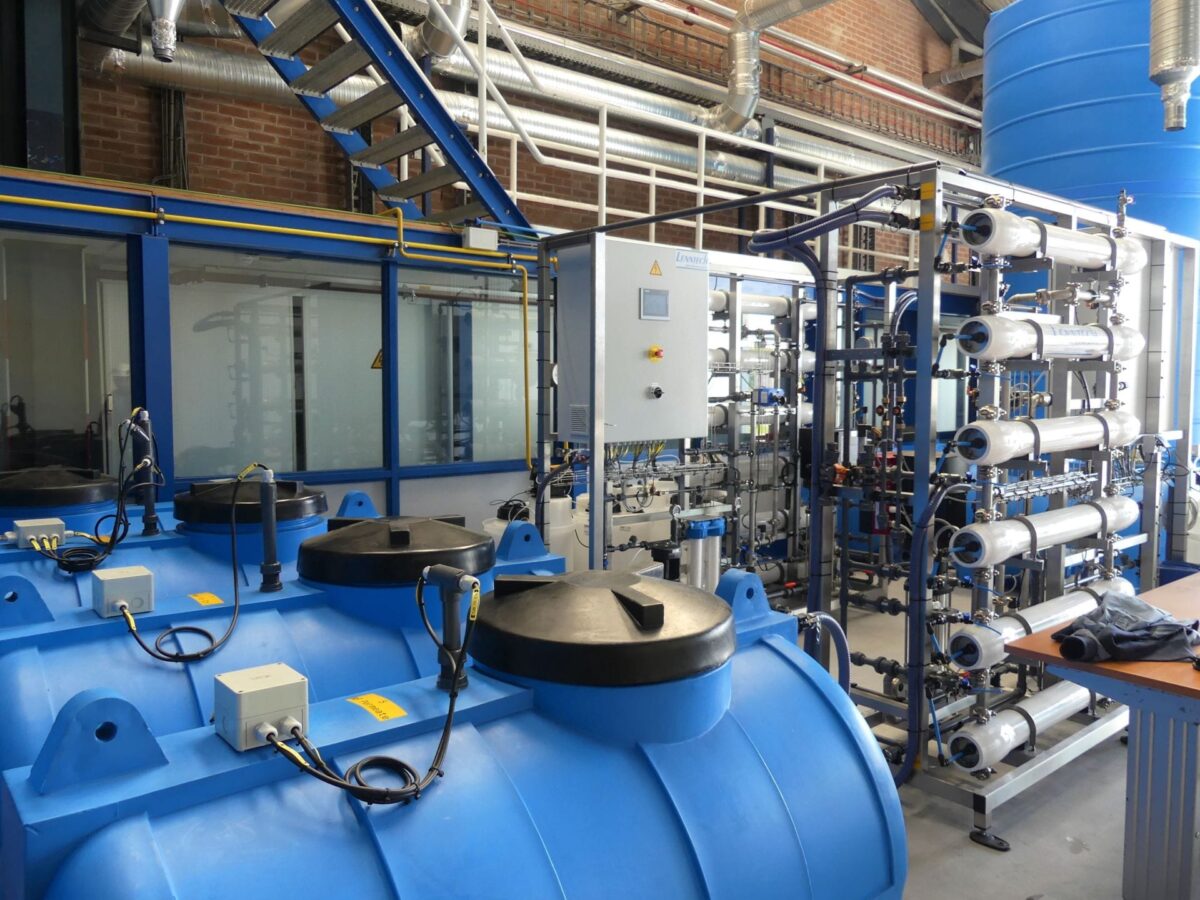
En el caso concreto de Rotterdam, durante la segunda fase del pilotaje se empleará un innovador diseño para tratar los concentrados de la ósmosis inversa que suministra el agua desmineralizada al complejo, utilizando para ello una combinación de tecnologías nuevas y existentes para recuperar sales de sulfato, bicarbonato sódico y agua tratada.
Con todo ello, este proyecto -aplicable a la industria química, petroquímica o agroalimentaria- presenta grandes ventajas relacionadas con la valorización de subproductos y compuestos minerales existentes en las aguas residuales de elevada salinidad generadas por diferentes industrias.