
Suscríbete a nuestro blog y te enviaremos por email los nuevos artículos que publiquemos.
Suscribirme a la newsletter
La desalación de agua puede ser clave para combatir la escasez de agua dulce, un recurso, vital e indispensable, cuya carencia ya se traduce en una grave crisis humanitaria, ambiental y económica en muchos rincones del planeta.
Sin embargo, a veces la potabilización del agua del mar puede ser poco viable en términos económicos y energéticos, lo que exige buscar las opciones más innovadoras y viables para cada caso.
¿Qué es la desalinización del agua de mar?
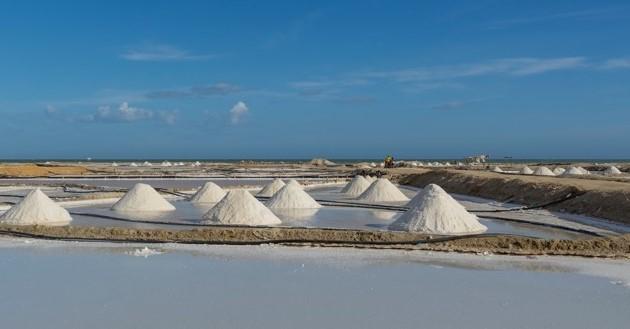
La desalación del agua de mar (o desalinización) consiste en eliminar la sal y otros minerales disueltos en el agua marina para que esta sea apta para el consumo humano, la agricultura, la ganadería o la industria.
El proceso se realiza en plantas específicas, a través de la separación de las sales de una disolución salobre, es decir, de una mezcla de agua con alta concentración salina.
Aunque es totalmente segura, la desalinización del agua de mar no siempre es eficiente.
De hecho, se calcula que, por cada litro de agua que se procesa, apenas la mitad está lista para el consumo humano, mientras que la restante debe devolverse al mar por su gran concentración de sales y minerales
En todo caso, si la situación de sequía actual no se revierte, los diferentes métodos de desalinización del agua del mar podrían convertirse en la única alternativa para abastecer de agua potable a miles de personas en todo el mundo.
Así es el proceso para desalinizar el agua de mar y que sea potable
Los procesos convencionales de desalación separan el agua proveniente del mar en dos partes:
- Líquido con una baja concentración de sales disueltas.
- Salmuera concentrada (desecho del proceso).

Respecto a los métodos para desalar agua marina, pueden clasificarse en dos grandes categorías:
Métodos de evaporación térmica o por presión
Emplean presión y calor para evaporar el agua y, así, separar el líquido de la sal. Los más comunes son:
- Destilación instantánea en múltiples etapas
La desalinización en múltiples etapas consiste en colocar el agua del mar en varias cámaras o etapas sucesivas, con presiones y temperaturas decrecientes, para su evaporación y condensación.
Muy parecida es la «evaporación relámpago», que consiste en introducir el agua del mar, en gotas, en una cámara a baja presión.
En ambos casos, las gotas se convierten en vapor de agua que, al condensarse, pierde salinidad.
El proceso puede repetirse tantas veces como sea necesario hasta conseguir el grado de desalación del agua óptimo.
- Destilación multiefecto
En el proceso de desalinización de agua de mar por destilación multiefecto, en lugar de usar presión para evaporar el agua, se utiliza calor.
Es decir, el agua se hierve hasta que se convierte en vapor que, posteriormente, se condensa.
Los resultados son similares a la evaporación multiefecto, aunque requiere mayor cantidad e intensidad energética.
- Compresión del vapor
Se emplea el calor sobrante de centrales eléctricas o refinerías para evaporar y condensar el agua del mar, purificándola.
Es uno de los métodos para desalinizar agua del mar más eficientes.
Métodos de separación basada en membranas
Utilizan presión mecánica, potencial eléctrico u otro tipo de barreras para separar la sal del agua. Los más comunes son:
- Ósmosis inversa
La ósmosis inversa se utiliza, tanto para desalinizar agua proveniente del mar, como para transformar cualquier otra sustancia salada en una purificada.
Consiste en separar el agua de la sal aplicando presión sobre el líquido con unas membranas semipermeables que permiten aislar las sales y otros contaminantes.
La presión ejercida dependerá de la cantidad de sólidos y el grado de desalación que se quiera obtener.
- Electrodiálisis
Aplicada a la potabilización de agua de mar, la electrodiálisis utiliza la corriente eléctrica para mover los iones de sal presentes en el agua y, gracias a unas membranas, separar el agua dulce.
Este método es especialmente eficiente para desalar aguas con baja salinidad.
¿Cómo funciona una desaladora de agua de mar?
Muchas plantas desaladoras utilizan la ósmosis inversa.
Recogen directamente el agua del mar desde torres o pozos costeros para, después, trasladarla a sus instalaciones.
Allí comienza el proceso de desalinización y potabilización del agua que podríamos resumir en los siguientes pasos:
- El agua entra en una zona de «pretratamiento» donde se eliminan sólidos en suspensión, microorganismos o bacterias.
- Después, pasa por filtros de arena y coagulantes, y por una segunda etapa de «microfiltración» con carbón activado (u otros productos similares).
- Ya en el corazón de la desaladora, se realiza el proceso de ósmosis inversa.
- Posteriormente, una bomba de presión hace que el agua pase por diferentes membranas semipermeables, de forma que se libera completamente de restos salinos.
- Se inicia el postratamiento del agua para su adaptación al consumo humano, siendo necesaria una remineralización para que tenga los componentes y el pH óptimo (según la OMS, el pH ideal del agua potable debe estar entre 6.5 y 8.5).
- La salmuera sobrante se retira y se devuelve al mar diluida para evitar que dañe el ecosistema marino donde es devuelta
Beneficios de potabilizar agua de mar y retos a largo plazo
Potabilizar el agua de mar tiene muchas ventajas y puede convertirse en una solución viable ante la creciente demanda de agua dulce en el planeta.
Algunas de ellas son:
- Las desaladoras de agua de mar tienen potencial para convertir grandes cantidades de agua marina en agua apta para consumo humano, agrícola e industrial, algo fundamental en zonas costeras y áridas.
- Estas instalaciones facilitan la independencia hídrica, ya que las comunidades pueden reducir el uso de fuentes de agua dulce inestables o insuficientes.
- Los procesos avanzados de desalación de agua marina son seguros, y garantizan agua de calidad, sin contaminantes ni sales.
A pesar de estos importantes beneficios, la desalinización de agua de mar también supone retos significativos, entre ellos:
- El elevado consumo de energía de las desaladoras.
- La gestión de la salmuera y su impacto en la fauna marina.
- El uso de productos químicos en el pretratamiento y la limpieza de membranas.
- El mantenimiento de equipos, expuestos a una alta corrosión a causa de la alta salinidad.
En SITRA trabajamos en todas las etapas del ciclo integral del agua en la industria, lo que incluye el diseño y construcción de plantas depuradoras y desalinizadoras, o la explotación y mantenimiento de instalaciones existentes.
Priorizamos la eficiencia, el reciclado, la valorización de residuos y la digitalización en cada proyecto.


