
Sitra, una de las empresas que más fuerte ha apostado por tecnologías de descarbonización y optimización de recursos en los últimos años, principalmente dentro del sector agroalimentario, suma ahora dos referencias nuevas dentro de este sector que se caracteriza por ser intensivo en vertidos de elevada carga orgánica.
Este doble acuerdo de colaboración ha sido posible gracias a la confianza depositada por una de las empresas más importantes en fabricación de zumos y bebidas a nivel mundial, y ha derivado en una importante optimización del coste energético. Y es que, al sustituir el tratamiento aerobio convencional mediante tecnología SBR por tratamiento anaerobio Sitra ha logrado garantizar unos ahorros eléctricos en depuración superiores al 65%, una reducción de lodos generados superior al 75% y con una generación de energías renovables en forma de biogás, que permiten reducir considerablemente la huella de carbono de sus clientes y liderar el camino hacia la descarbonización.
Cabe destacar que, desde sus inicios, la empresa también acompaña a sus clientes en el camino hacia la transición energética a través del ámbito en el que es experta: el tratamiento del agua. Así, desde hace más de 25 años pone su conocimiento y experiencia al servicio del medioambiente, depurando las aguas residuales industriales de más de 70 instalaciones.
Debido al gran aumento de costes de los recursos energéticos, cada vez son más necesarias tecnologías de tratamiento de aguas que requieren un mínimo consumo de estos recursos, y una de las mejores opciones para ello son los tratamientos anaerobios de aguas residuales. En estos procesos de depuración se genera un combustible de origen renovable (biogás) que en la mayoría de los casos puede ser utilizado en el propio proceso productivo con un sistema de depuración del biogás sencillo, y adecuación de los sistemas de combustión de la planta.
Por todo ello, cada vez es más frecuente que grandes empresas de los más diversos sectores apuesten por estas tecnologías para minimizar los costes energéticos, así como también para reducir considerablemente la generación de residuos y el consumo de los reactivos químicos de los sistemas aerobios convencionales.
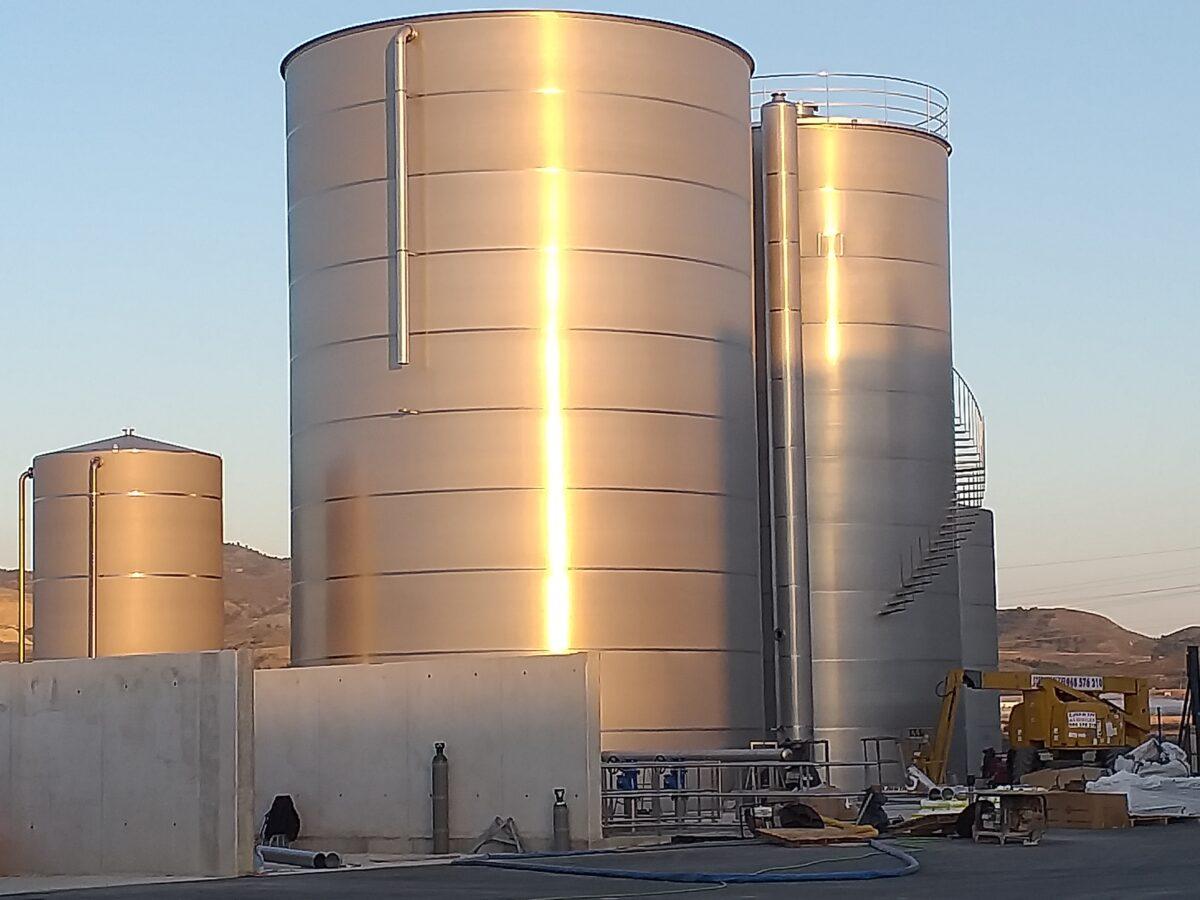
Con estos dos trabajos recientes, la compañía suma ya cuatro instalaciones de reactores anaerobios para el tratamiento de las aguas residuales, un crecimiento exponencial que ha sido posible por su solvencia técnica y su gran apuesta por tecnologías sostenibles para el tratamiento de aguas residuales en la industria.